

Where Memory Meets the Sea, by Laia Asieo Odo
Read it here in 10 minutes.
Thinking about why I love it…
This story intrigued me from the beginning, as it opens with a description of a group of characters who routinely go to the sea shore and stand in the waves in order to remember loved ones who have died. Once the characters leave the beach, they forget their remembered memories.
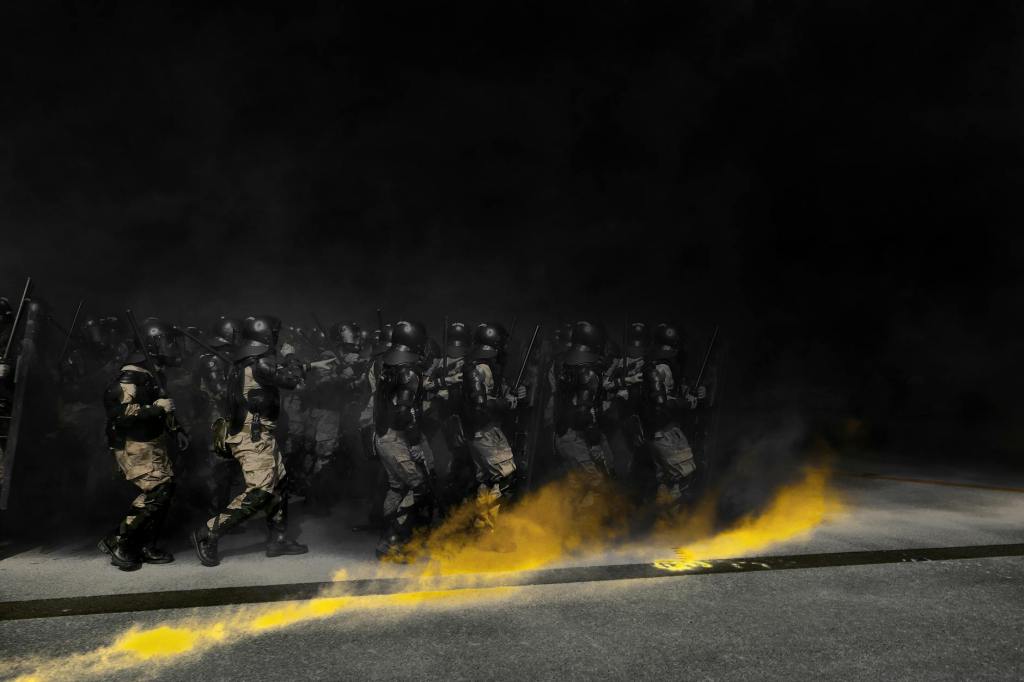
Initially, I thought the characters who go to the beach were part of a religious group, as their experience of the sea and memories seems like a religious ritual, but as I read on, and got to the part when the military/police arrived, I realised the story was an allegory for a political situation, although I couldn’t identify which one. In this story, remembering is a political act; the soldiers/police try to prevent it, and use violence to do so.
It transpires, a little later in the story, that this forgetting is caused by the local government using memory blockers (‘I get home and the memory of what has happened down at the shoreline is still fresh, but I know it is only a matter of time before a block is placed on it.’), while later still, the reader is told that several other countries also use these memory blockers. These memory blockers could be drugs or technology, it’s not clear. This made me realise that the story is not allegorising one particular political event, but the notion of certain countries not allowing their citizens to ‘remember’ (i.e. talk about, commemorate, share information about) events of political brutality and corruption.
The protagonist, aptly named Ariadne, escapes her unnamed home country for Europe, and uses social media and the news media to report her experiences, and bring together others who have had similar experiences. That’s what we can take from this story, I think: the importance of trying to share experiences of brutality and oppression with the outside world, as much as possible.
 Mina Ma